
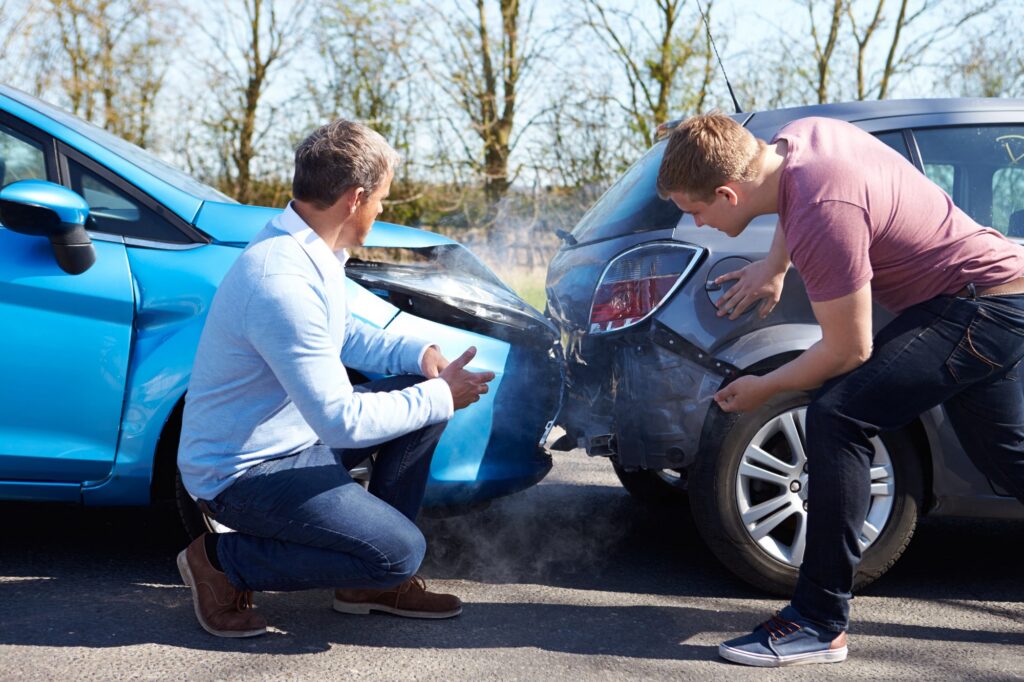
Our friends at Warner & Fitzmartin Personal Injury Lawyers discuss how dashcams have gone from a niche accessory to something a lot of drivers just have running in the background. They’re cheap, easy to install, and record everything happening on the road without anyone having to think twice about it. But when an accident happens, that quiet, constant recording can suddenly become the single most important piece of evidence in the entire case. An experienced car accident lawyer can help you understand how dashcam footage may support your claim and establish what happened after a crash.
Why dashcam footage carries so much weight
Most evidence after a crash is reconstructed after the fact. Police reports rely on statements taken minutes or hours later. Witnesses recall what they think they saw, filtered through adrenaline and imperfect memory. Dashcam footage skips all of that. It shows exactly what happened, in real time, without anyone’s interpretation getting in the way.
That objectivity is exactly why footage tends to carry so much weight with insurance adjusters, and why it can be so persuasive if a case ends up in front of a judge or jury. A recording showing a driver running a red light or making an unsafe lane change doesn’t leave much room for debate the way conflicting verbal accounts do.
What dashcam footage can actually prove
Depending on the angle and quality, dashcam video can help establish:
- The sequence of events leading up to a crash, including who had the right of way.
- Traffic signal status, showing whether a light was red, yellow, or green at the moment of impact.
- Speed and braking behavior, which can sometimes be estimated from the footage itself.
- Lane positioning and turn signals, which matter in disputes over improper lane changes or unsafe merges.
- Conditions at the time of the crash, such as weather, visibility, and traffic density.
None of this replaces a full investigation, but it can dramatically narrow the range of disputed facts, which often speeds up how quickly a claim gets resolved.
The flip side: when footage works against you
Here’s the thing people don’t always think about: dashcam footage doesn’t pick a side. If it shows you rolling through a stop sign, following too closely, or reacting late to a hazard, that footage becomes just as usable against you as it would be in your favor. Because it’s objective, it cuts both ways.
This is worth keeping in mind if you’re involved in an accident and your own dashcam captured the incident. Reviewing the footage honestly, rather than assuming it will automatically clear you, is a more realistic way to understand where you actually stand.
Getting footage admitted and taken seriously
Having footage is one thing. Making sure it holds up as evidence is another. A few practical considerations matter here:
Preserve the original file. Footage stored on a memory card that gets overwritten or reformatted is gone for good. Saving a copy immediately after an incident is critical, since many dashcams loop and overwrite older footage automatically.
Avoid editing or trimming clips. Altered footage, even if trimmed with good intentions, can raise questions about authenticity that undermine its usefulness.
Note the timestamp and metadata. Accurate time and date stamps help establish exactly when the footage was recorded relative to the crash.
Share footage promptly. Providing footage to your insurer or attorney early in the process, rather than after a dispute has already escalated, tends to carry more credibility.
What if the other driver has dashcam footage?
It’s increasingly common for the other party in an accident to have their own recording device. If that’s the case, requesting access to that footage becomes an important step, particularly if it might contradict a version of events that doesn’t match what actually happened. Footage from a third party’s dashcam isn’t automatically something you’re entitled to see, but it can often be requested through the claims process or, if necessary, through formal legal channels.
Why this matters beyond just fault
Dashcam footage doesn’t just settle disputes over who ran the red light. It can also help establish injury causation by showing the force and nature of an impact, corroborate the timeline of events for medical documentation, and counter false claims in situations involving staged or exaggerated accidents. As footage becomes more common on the road, it’s increasingly treated as a standard part of a well-documented claim rather than a bonus.
Making the most of what your dashcam captures
If you have a dashcam and you’re involved in an accident, treat the footage as a priority right from the start. Save it, review it honestly, and don’t assume it automatically favors your version of events until you’ve actually watched it.
If you’re dealing with a disputed claim and aren’t sure whether your footage helps or hurts your position, consider consulting with a qualified attorney who can review it and explain how it fits into the bigger picture of your case.
In an accident, footage tends to speak louder than memory. Making sure that footage survives, and gets used correctly, is often what separates a smooth claim from a drawn-out dispute.