
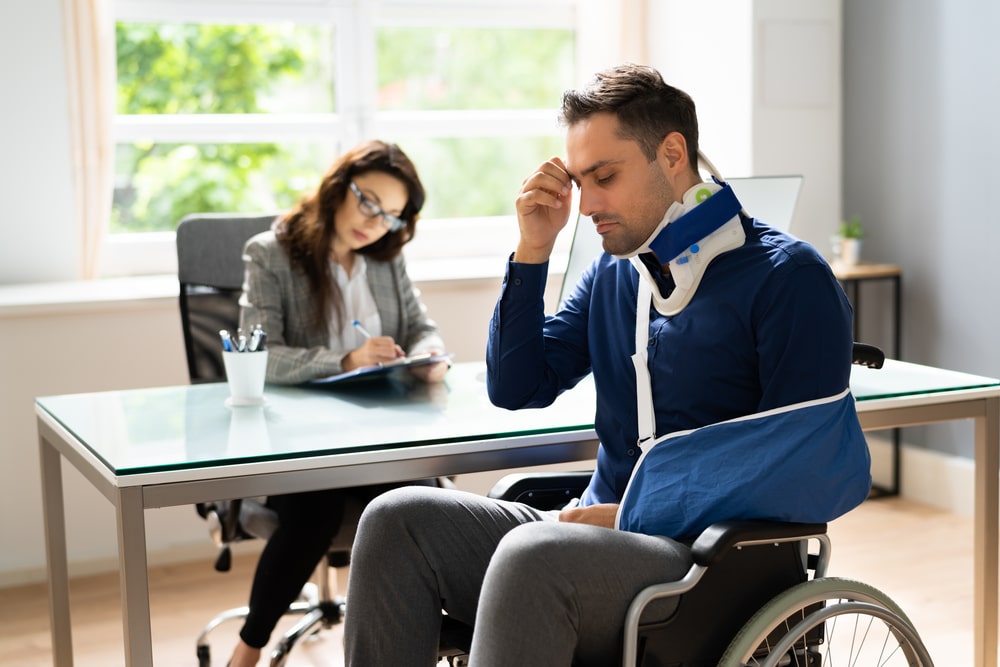
An object falling from a shelf, construction platform, storage rack, or elevated work area can cause serious injury with little warning.
Falling-object accidents occur in many settings, including construction sites, warehouses, retail stores, factories, and residential buildings.
The consequences depend on factors such as the object’s weight, height, shape, and the part of the body it strikes. A personal injury lawyer can help injured individuals determine who may be responsible for a falling object accident and explore their options for seeking compensation.
Our friends at Isaacson, Schiowitz & Korson, LLP explain common causes of these accidents and why proper storage, equipment use, and safety procedures matter.
Falling Objects at Construction Sites
Construction projects often involve work performed at different elevations.
Tools, building materials, equipment, and debris may be present on scaffolds, ladders, roofs, or elevated platforms.
If an object is not properly secured, it may fall into an area where workers or pedestrians are present.
Safety measures can include appropriate barriers, secured tools, debris controls, protective equipment, and restrictions on access to hazardous areas.
The specific requirements depend on the work being performed and applicable safety standards.
Warehouse Storage Hazards
Warehouses frequently use tall shelving and storage racks to maximize available space.
Heavy boxes, pallets, machinery parts, and other materials may be stored above workers’ heads.
Improper stacking, damaged racks, overloaded shelves, or unstable loads can create falling-object hazards.
Routine inspections and appropriate storage practices can help reduce these risks.
Retail Store Accidents
Retail stores may display merchandise on high shelves or store additional inventory above customer-accessible areas.
Items can fall when shelves are overloaded, merchandise is stacked improperly, or products are moved.
Employees using ladders or equipment to retrieve merchandise may also create temporary hazards.
Stores can reduce risks by securing displays, following appropriate stocking procedures, and keeping customers away from areas where overhead work is taking place.
Common Injuries
Falling objects can cause a wide range of injuries.
A relatively small object may cause a laceration or bruise, while a heavier object falling from a significant height may cause fractures, head injuries, neck injuries, or other serious trauma.
In some cases, the person may also fall after being struck, creating additional injuries.
The absence of a large visible wound does not necessarily mean the injury is minor.
Head Injuries Require Particular Attention
An object striking the head can cause a concussion or more serious traumatic brain injury.
Symptoms may include headache, dizziness, confusion, nausea, balance problems, or changes in awareness.
Serious or worsening symptoms require prompt medical evaluation.
Protective helmets can reduce certain risks in appropriate work settings, but they do not eliminate every possibility of injury.
How Safety Practices Can Reduce Risk
Preventing falling-object accidents often involves controlling how materials are stored and handled.
The Occupational Safety and Health Administration addresses falling-object hazards in various workplace safety standards.
Depending on the setting, appropriate measures may include securing materials, using protective systems, inspecting storage structures, and limiting access below elevated work.
Employees should also receive training appropriate to the equipment and tasks involved.
Identifying What Fell
After an accident, determining exactly what struck the person can be important.
The object’s size, weight, condition, and original location may help explain how the incident occurred.
Photographs of the object and surrounding area can preserve useful information.
If possible, the item should be identified before it is removed or discarded.
Multiple Parties May Be Involved
Responsibility for a falling-object accident may depend on who controlled the area and the work being performed.
A property owner, contractor, employer, equipment supplier, or other business may have different responsibilities.
The existence of an injury does not automatically establish negligence by any particular party.
The Bottom Line
Falling-object accidents can occur wherever materials are stored, transported, or used above ground level.
Careful storage, equipment maintenance, employee training, and appropriate safety measures can reduce preventable risks.
After an accident, identifying the object, documenting the location, obtaining medical care, and preserving relevant information can help establish a clearer understanding of what happened.